
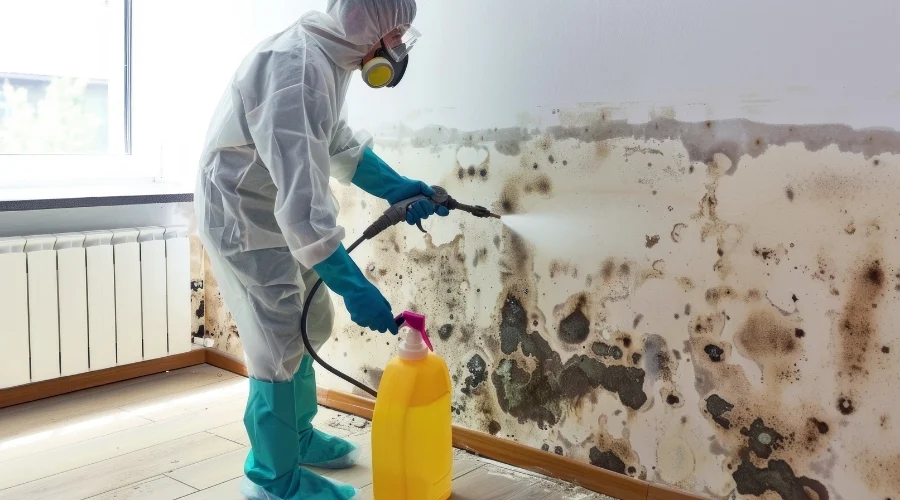
Mould growth usually begins when moisture becomes trapped in a building due to issues like small leaks, poor ventilation, high indoor humidity, or leftover dampness from past water damage. These conditions create a suitable environment for mould to develop, especially in hidden or less disturbed areas. It often forms in dark, moist spaces where air movement is limited, and surfaces remain damp for extended periods.
Over time, it can affect indoor air quality, damage building materials, and create health risks for occupants. Professional mould abatement addresses both visible growth and hidden contamination to fully restore safe living and working conditions.
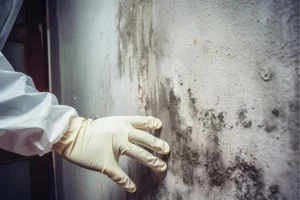
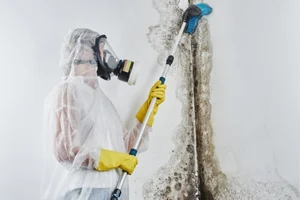
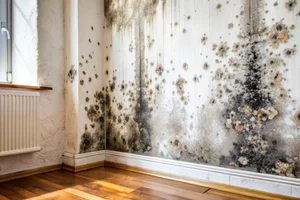
Every stage is handled carefully to ensure mould is fully removed and the underlying moisture issue is addressed.
Mold is rarely confined to the surfaces that can be seen. It can penetrate walls, insulation, wooden structures, and air ducts without coming into view until the problem reaches critical proportions. This is why effective mold remediation involves not only surface treatment but also finding and eliminating any source of hidden moisture.
Effective mould abatement starts with understanding where moisture is coming from. Without fixing the source, mould is likely to return even after cleaning. Using inspection tools and assessment methods, affected areas are identified, moisture levels are measured, and a clear remediation plan is created before any work begins.
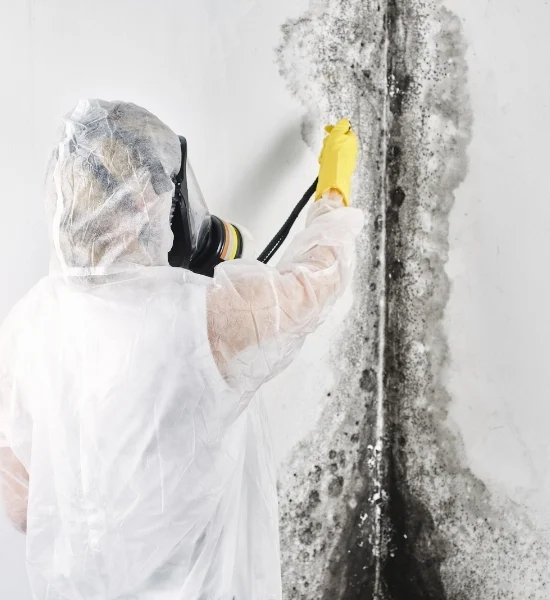
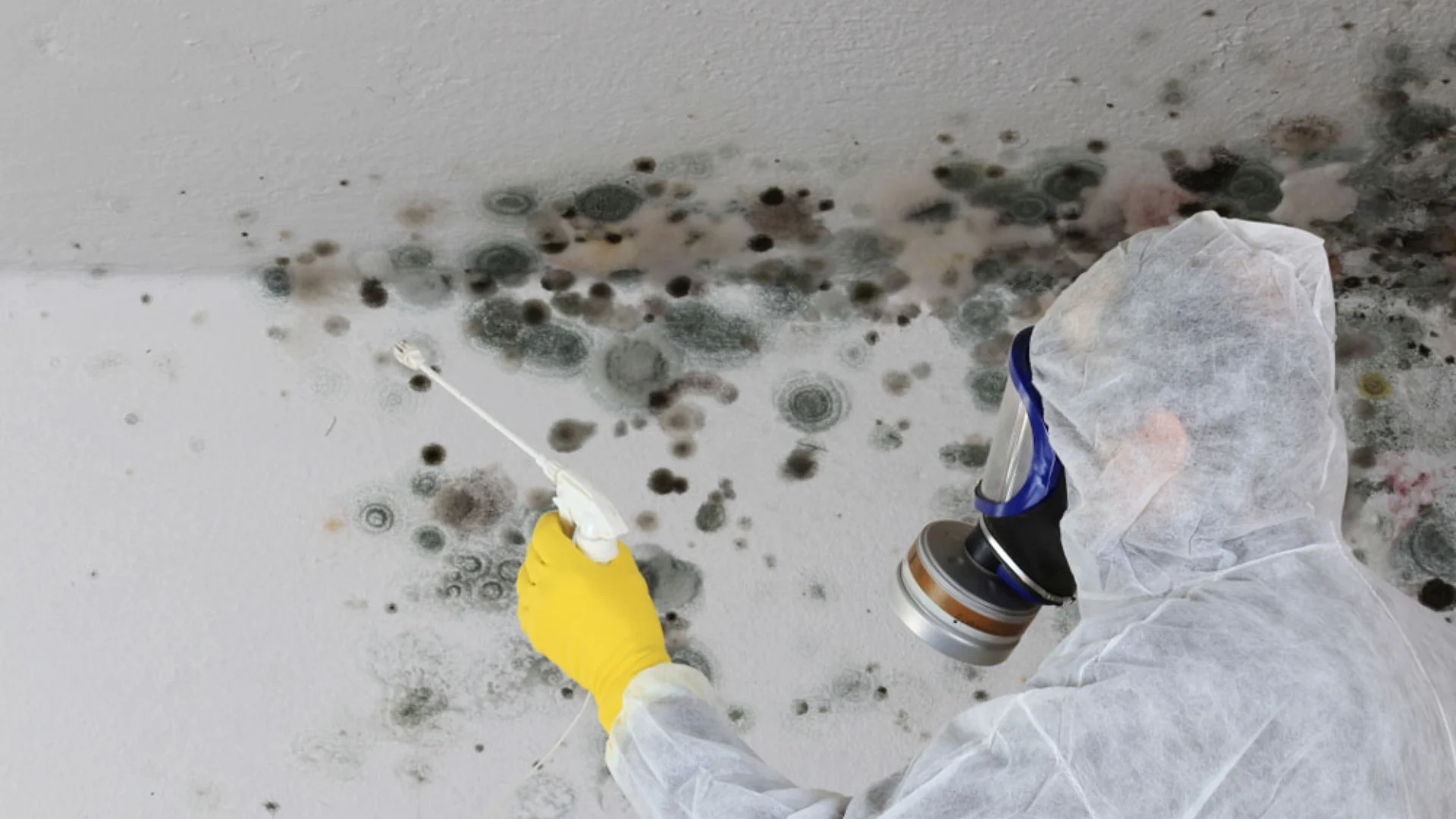
If mould is found during the removal, mould containment measures are in place to isolate the affected areas and stop mould spores from spreading to other clean parts of the property. Air is drawn into these chambers to lower the air pressure and sealed barriers and special filtration equipment are used to keep the area safe during the remediation process.
The process begins with inspection and moisture identification, followed by containment setup and removal of contaminated materials. Once affected areas are cleared, surfaces are treated with antimicrobial solutions, thoroughly cleaned using HEPA filtration systems, and dried to prevent future growth. Final checks ensure the environment is safe and stable.
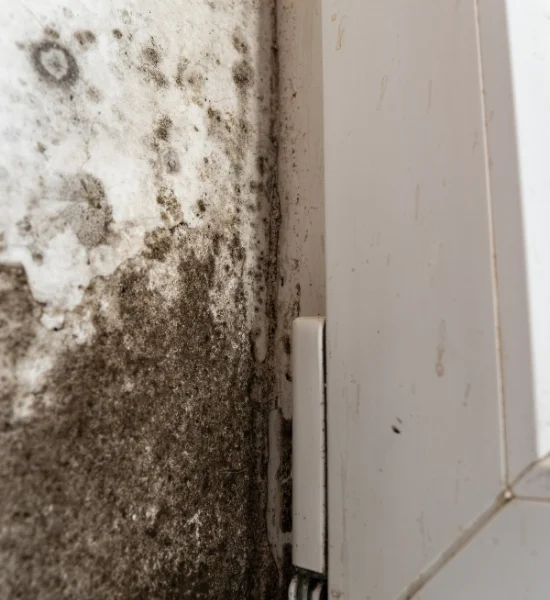
Mould affects more than surfaces it also impacts indoor air quality. After removal, thorough cleaning and air treatment are carried out to eliminate remaining spores and improve air conditions. HEPA vacuuming, filtration systems, and sanitization help restore a clean, breathable indoor environment.
For long-term prevention of mould, the problem of moisture must be addressed since it is usually what causes the mould to grow in the first place. This could be something like a leak, condensation, bad ventilation, or poor drainage. Mould will simply come back otherwise, despite having been removed.
Mould abatement is the process of identifying, removing, and treating mould contamination in a property while addressing the moisture source that caused it.
Common causes include water leaks, flooding, poor ventilation, high humidity, and condensation buildup in enclosed areas.
Yes. Exposure to mould can cause respiratory issues, allergies, irritation, and other health concerns, especially in sensitive individuals.
Small surface mould may be cleaned, but widespread or hidden mould requires professional remediation to ensure complete and safe removal.
Signs include musty odours, discoloured walls, peeling paint, or recurring moisture problems. Professional inspection is recommended for confirmation.
The duration depends on the size of the affected area, severity of contamination, and required repairs or drying time.
It can return if the moisture source is not fixed. Proper abatement includes identifying and correcting the root cause.
In some cases, temporary relocation may be recommended depending on the extent of contamination and work area size.
Porous materials like drywall, insulation, and carpeting are often removed if heavily contaminated.
It ensures safe removal, prevents cross-contamination, improves air quality, and addresses the underlying cause to stop regrowth.