
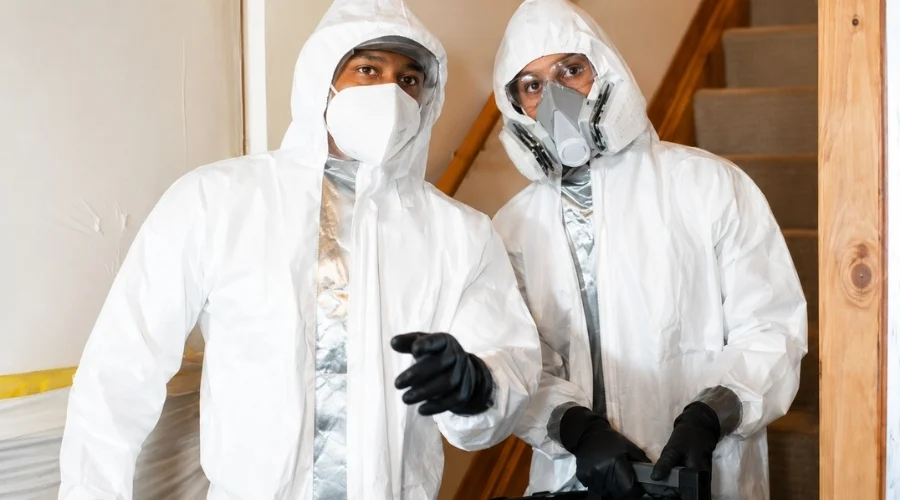
Emergencies rarely give any warning. Sudden flooding, fire and smoke damage, hazardous exposure, or structural failure can create serious risks in a very short time if not handled correctly. In such situations, quick and controlled response is important to manage the conditions, limit further impact, and ensure safety for people and the surrounding environment.
Immediate action is essential to reduce damage, protect occupants, and prevent secondary issues such as contamination, mould growth, or structural deterioration. Emergency response services are built to step in quickly when situations cannot wait.
Every service is focused on immediate stabilization and preventing further escalation of damage.
First and foremost, when dealing with an emergency situation, the most critical thing to do is to prevent the situation from becoming worse by containing it before it can spread further. This will involve stopping any possible water penetration or contamination, as well as ensuring that the structure does not suffer any further damage.
Emergencies don’t follow schedules, which is why response teams are available 24/7. Once contacted, the situation is quickly assessed and the nearest available team is dispatched without delay. Fast mobilization ensures that critical issues are addressed as early as possible, reducing overall damage and recovery time.
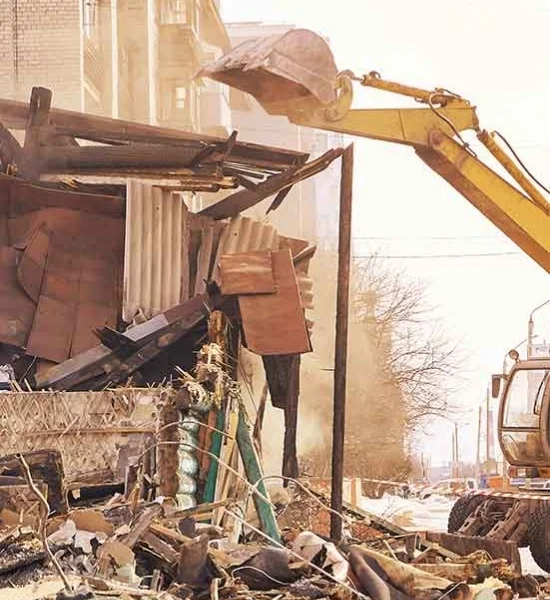
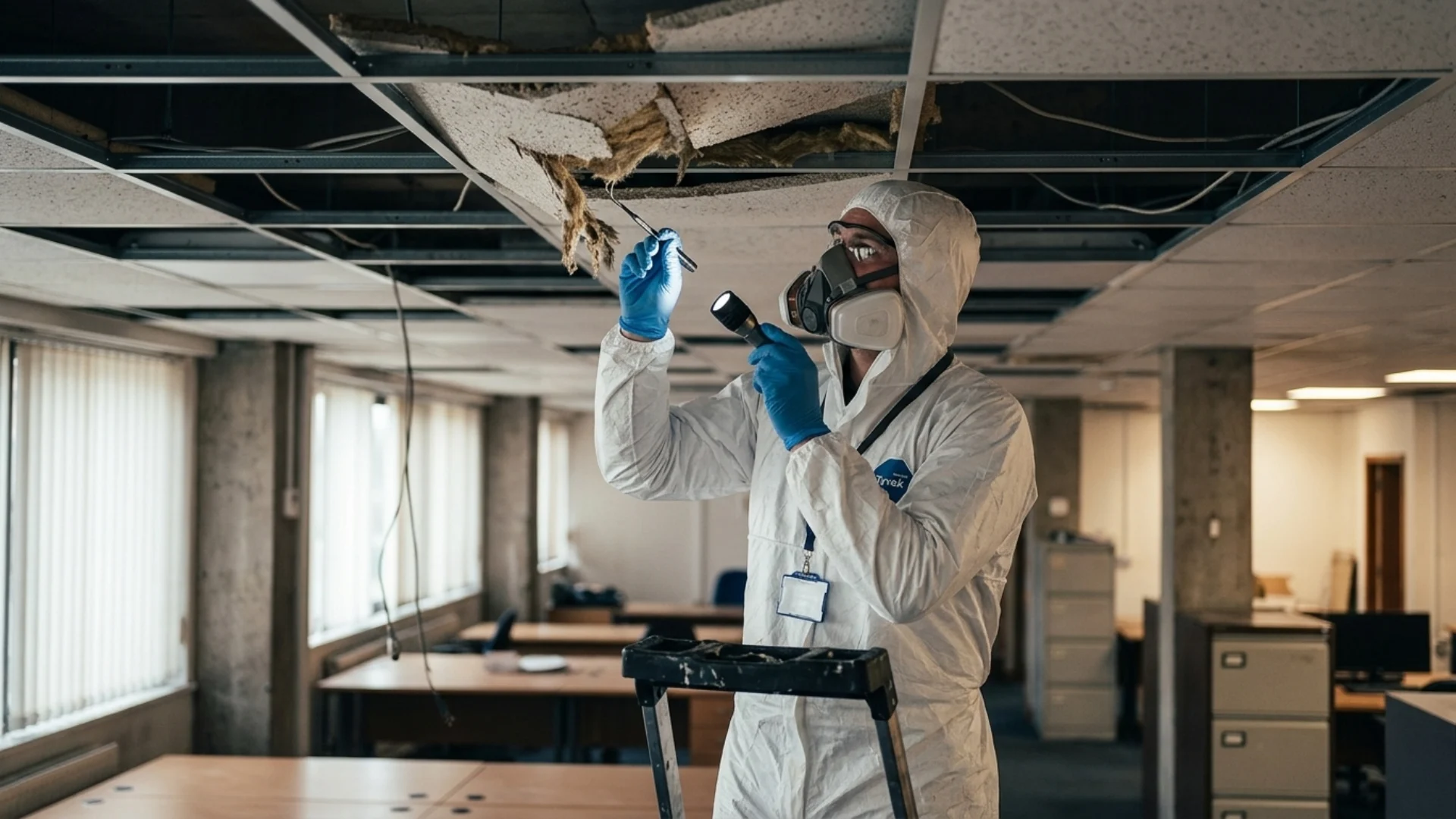
Every emergency begins with a rapid on-site evaluation to identify risks, unstable areas, and immediate threats to safety. Once assessed, the area is secured using containment measures, barriers, and safety controls to protect occupants and prevent further exposure or damage.
The process begins with urgent dispatch and immediate arrival on-site. Once conditions are assessed, containment and stabilization measures are implemented right away. After the situation is secured, mitigation work begins, including extraction, cleanup, decontamination, or drying depending on the type of emergency
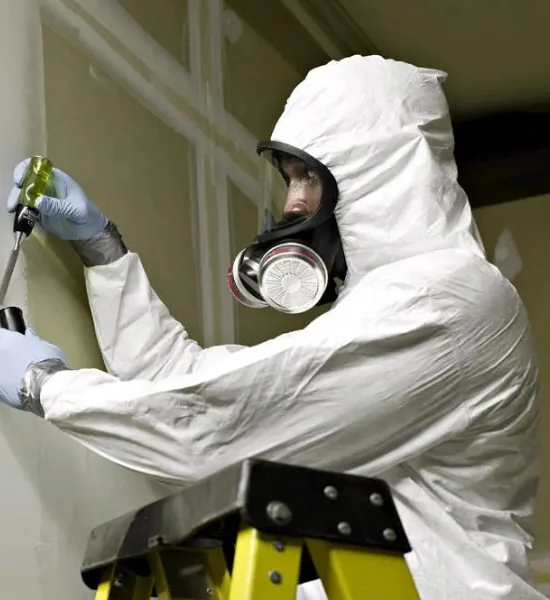
Prevention of further damage forms a critical objective. Various containment measures and repair work are conducted in order to stabilize the structure and contain the affected sections. Such an approach helps to reduce further damage to the structure, spreading of contamination, and other related costs associated with the situation.
It’s definitely better to get an emergency under control quickly to prevent any damage to the property. Rapid response minimises repair complexity, minimises material loss and helps to avoid long-term structural issues. Problems such as mould growth, corrosion, electrical damage or deep contamination can be avoided by early intervention.
Emergency response includes rapid dispatch, hazard assessment, containment, damage control, cleanup, and stabilization of the affected area.
Response time depends on location and conditions, but teams are dispatched immediately after the emergency is reported.
We handle water damage, fire and smoke damage, mould outbreaks, hazardous spills, structural issues, sewage backups, and contamination risks.
Yes. Emergency response is available 24/7, including nights, weekends, and holidays.
If safe, turn off water, gas, or electricity sources and avoid entering hazardous areas until professionals arrive.
Yes. Quick intervention helps contain damage and significantly reduces long-term repair costs.
Yes. We provide documentation and reporting support to assist with insurance processing.
No. Emergency response focuses on immediate stabilization, while restoration handles full repairs and rebuilding.
Yes. Trained teams handle containment and initial response for hazardous material incidents.
Delays allow damage to spread, increasing repair costs, safety risks, and overall restoration time.