
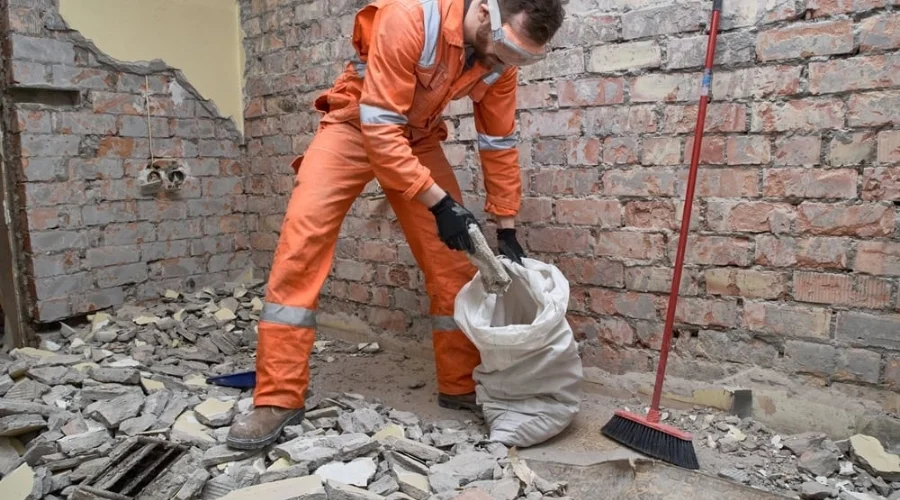
Demolition is not just about tearing things apart. In many cases, it involves carefully removing specific parts of a structure while making sure the remaining areas are protected and kept intact. It requires proper planning, controlled execution, and attention to detail, especially when working in buildings where certain structural elements, utilities, or nearby sections must not be affected.
Whether you’re renovating a home, preparing for a rebuild, or clearing outdated sections of a property, clean demolition ensures the process is controlled, safe, and properly planned from start to finish.
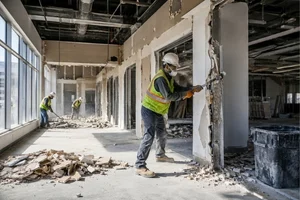
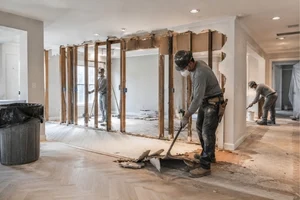
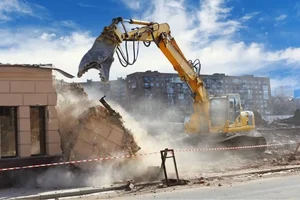
Every project is planned to ensure safe dismantling and clean separation of materials.
Clean demolition means being precise not destructive. Where possible, work is conducted in a controlled fashion to avoid the unnecessary destruction of whole structures and the damage of areas to be retained. This is particularly crucial in renovation jobs where only a portion of a property needs to be demolished.
Every demolition project begins with an extensive assessment of the site itself. This encompasses studying the building, discovering materials, assessing entry points, and figuring out how to remove them safely. By planning ahead, we can ensure that the project is completed effectively.
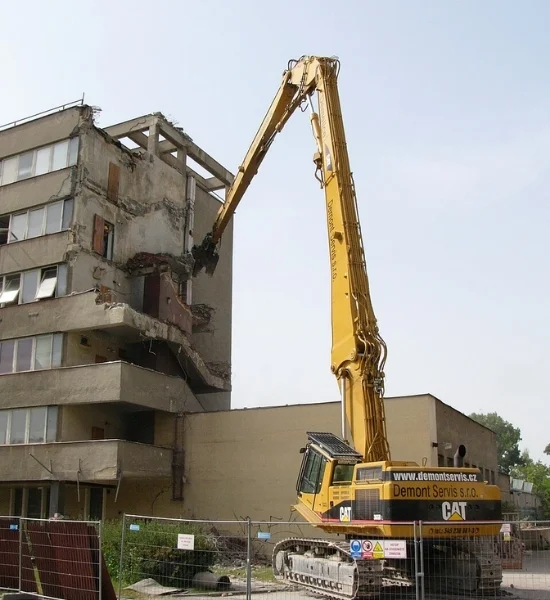
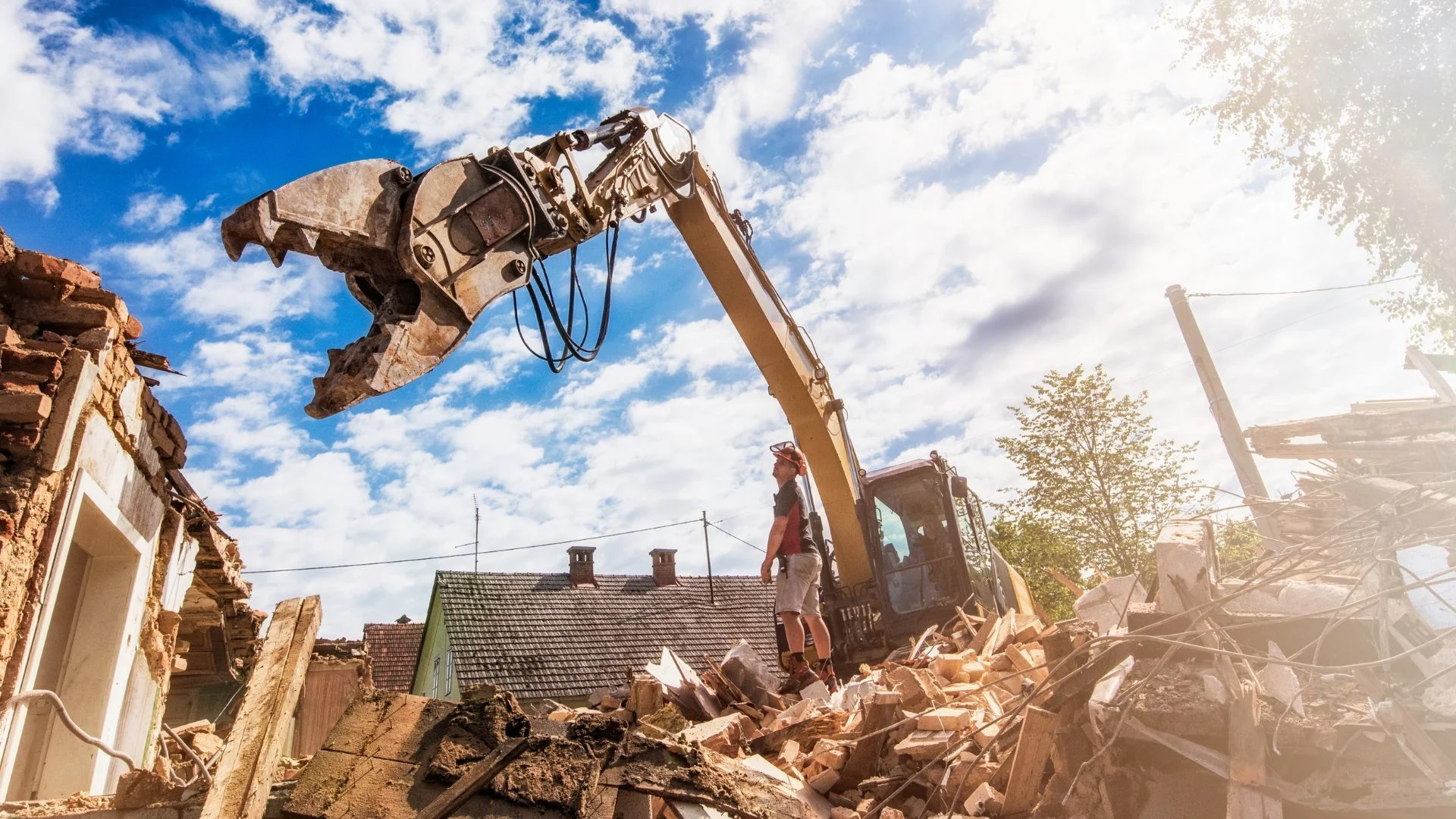
Demolition work involves heavy materials, structural components, and potentially hazardous conditions. Safety is maintained through controlled processes, protective equipment, and careful sequencing of removal work. Areas are secured before demolition begins to ensure occupants, workers, and surrounding structures remain protected throughout the project.
The process begins with site inspection and preparation, followed by isolation of work areas and removal of non-structural components. Once interior or targeted sections are cleared, materials are dismantled systematically, sorted where possible, and safely removed from the site. Final cleanup ensures the space is ready for renovation or reconstruction.
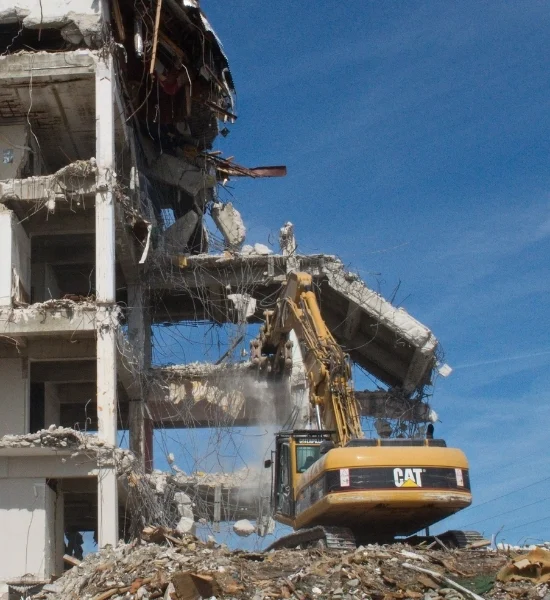
Clean demolition places strong emphasis on minimizing dust and managing debris properly. Protective barriers, dust suppression methods, and controlled removal techniques help keep surrounding areas clean and safe. All debris is collected, sorted when possible, and disposed of according to environmental and safety standards.
Many demolition projects involve preparing a space for renovation rather than complete teardown. Interior strip-outs remove everything down to the core structure while preserving walls, framing, or elements that will remain. This creates a clean foundation for new design, construction, or remodeling work.
Clean demolition is the controlled removal of specific parts of a structure while minimizing damage, dust, and disruption to surrounding areas.
Full demolition removes an entire structure, while clean demolition focuses on selective removal or interior strip-outs.
Yes, interior demolition is commonly done for kitchens, bathrooms, and renovation projects.
In some cases, yes. With proper containment and planning, work can be done safely while parts of the property remain occupied.
Timing depends on the size and complexity of the structure and the scope of removal required.
Yes. All debris is collected, removed, and disposed of responsibly after demolition is completed.
Yes. Clean demolition is designed specifically to protect surrounding structures and finished areas.
In most cases, permits are required depending on local regulations and the type of structure being removed.
The site is cleaned, cleared, and prepared for renovation or new construction.
Professional demolition ensures safety, proper planning, controlled execution, and compliance with building regulations.