
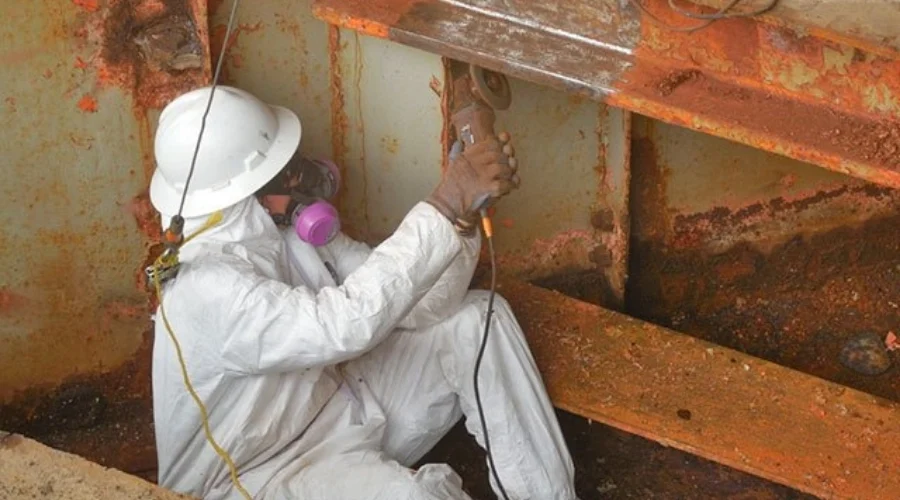
Lead-based materials were commonly used in older construction, especially in paints, protective coatings, plumbing systems, and decorative surface finishes. At the time, lead was valued for its durability, moisture resistance, and long-lasting coverage, making it a popular choice in homes, schools, and commercial buildings built decades ago. However, as these structures age, lead-containing materials can gradually deteriorate.
Once disturbed, lead particles can spread through the air and settle in living spaces, creating long-term health risks. Professional lead abatement helps eliminate these hazards before they impact occupants or future renovation work.
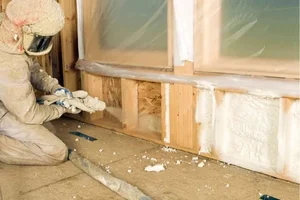
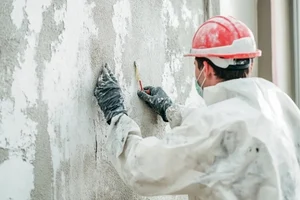
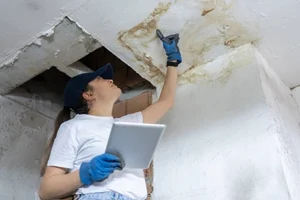
Every project is managed from initial inspection through final clearance, ensuring all lead hazards are properly addressed.
The process of lead abatement must be done carefully in order to reduce the spread of particles into the air during the removal process. The area must be prepared prior to any removal activities in terms of sealing off the areas being worked on.
Lead hazards can’t be seen in all properties and each property is unique. A comprehensive testing and inspection process can determine exactly where lead exists and how bad the contamination can be. This will help the abatement plan to be accurate, targeted and efficient and minimise any possible disruption.
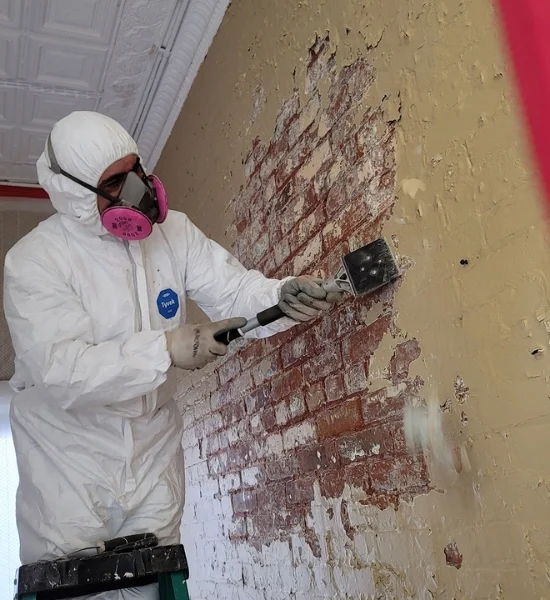
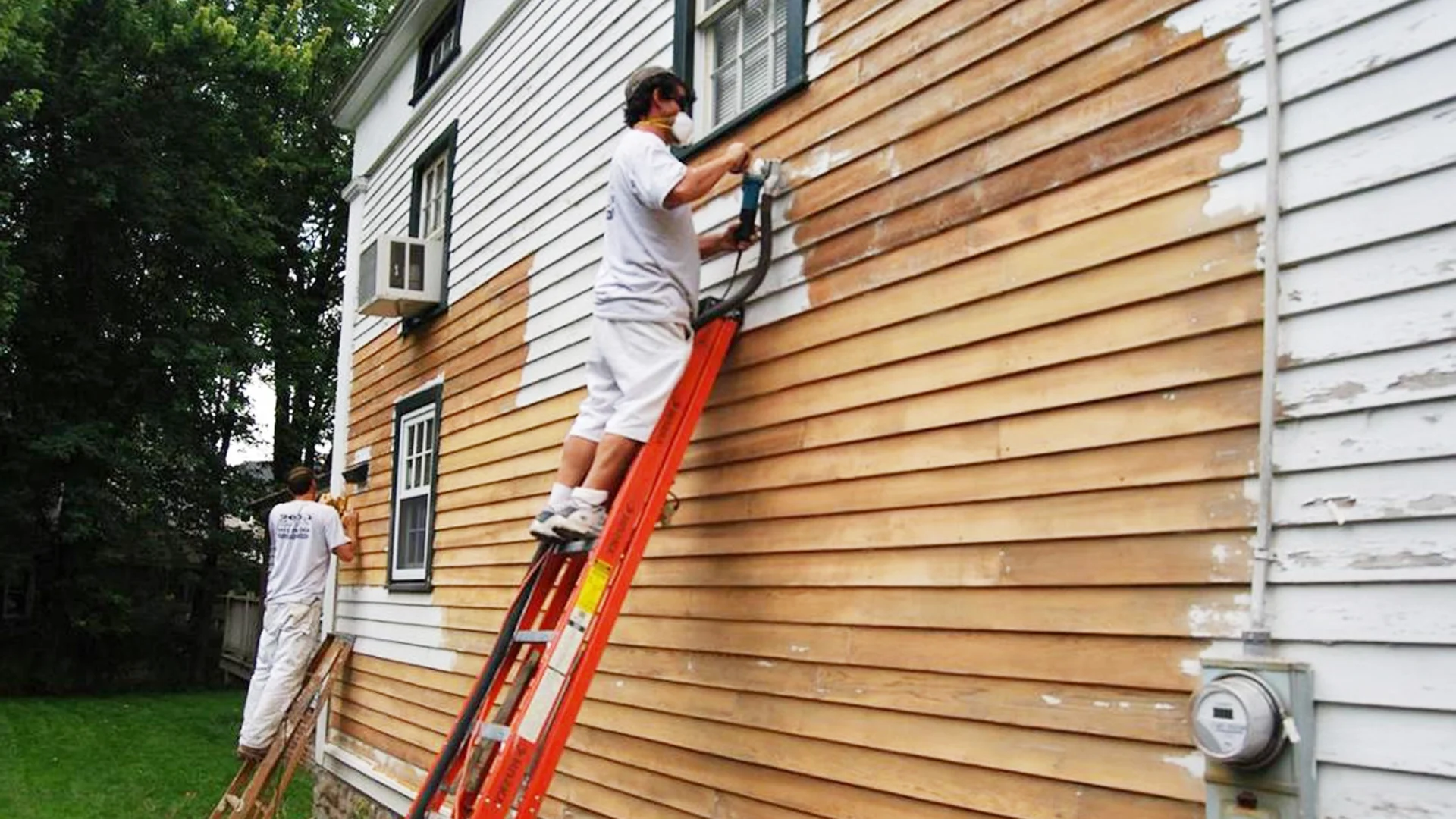
Lead exposure is especially harmful to children and can also affect adults over time. That’s why every stage of the abatement process is built around strict safety practices and exposure prevention. From containment setup to final cleaning, the entire process is designed to protect occupants, workers, and surrounding areas while permanently reducing risk.
The process starts off with the inspection and planning and preparation of the controlled work areas. Once the containment measures have been set up, the lead-based materials may be disposed of, covered, or managed according to approved means. The area is then thoroughly cleaned, dust is eliminated, and the final inspection test takes place.
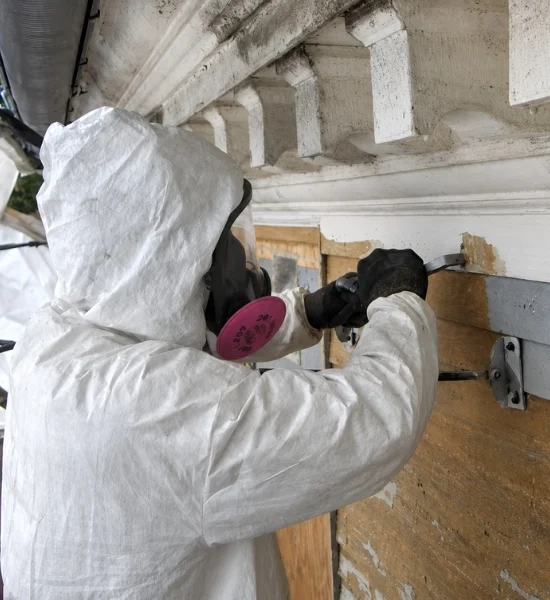
Lead abatement doesn’t end with removal. Thorough cleaning is required to eliminate any remaining dust or microscopic particles that may still be present. All hazardous waste is carefully collected, sealed, and transported according to environmental safety regulations. Final cleaning ensures the space is safe, clean, and ready for normal use.
If you are planning renovations or dealing with an older building, addressing lead hazards early prevents costly delays and safety issues later in the project. Professional abatement ensures your property is ready for safe upgrades, remodeling, or resale without the risks associated with hidden contamination.
Lead abatement is the process of permanently removing or controlling lead-based hazards in a property to reduce exposure risks and improve safety.
It is often found in old paint layers, window frames, doors, trims, exterior coatings, and sometimes plumbing components in older properties.
Lead exposure can cause serious health issues, especially for children, including developmental and neurological effects, even at low levels.
In some cases, encapsulation is possible, but it must be evaluated and applied professionally to ensure it is safe and effective long-term.
Timing depends on the size of the property, level of contamination, and the chosen remediation method.
In many cases, temporary relocation may be recommended depending on the scope and location of the work.
All lead-contaminated materials are sealed and disposed of through approved hazardous waste disposal channels.
Yes, final inspection and clearance testing are typically performed to confirm the area is safe for reoccupation.
It is not recommended to disturb lead-containing materials without proper containment and abatement procedures in place.
Professional services ensure safe handling, proper containment, and compliance with health and environmental regulations.