
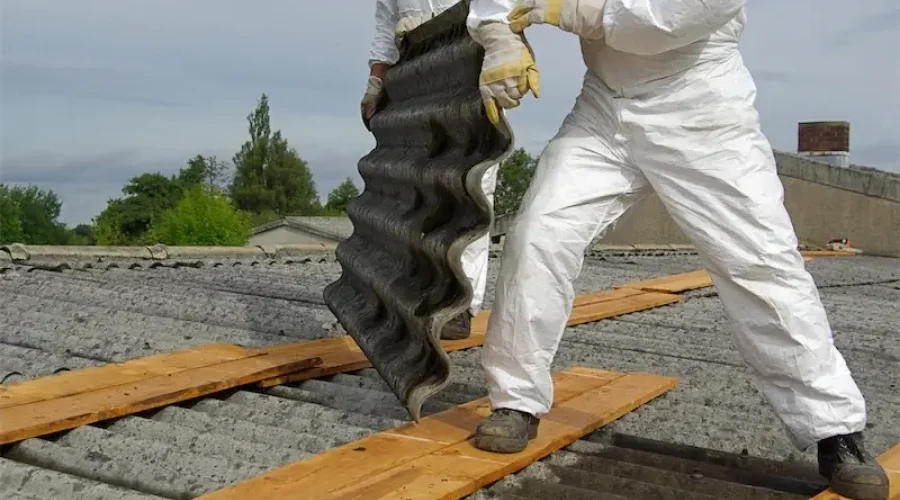
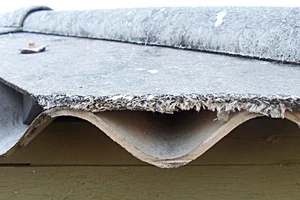
Many older homes, commercial buildings, and industrial properties contain asbestos in materials that were once commonly used for insulation, flooring, roofing, ceilings, and wall systems. While asbestos may remain harmless when left undisturbed, renovations, damage, aging materials, or demolition work can release dangerous fibers into the air.
If you suspect asbestos is present, professional removal is the safest way to prevent exposure and ensure your property remains compliant with current safety standards. Proper abatement helps eliminate risks before they become a threat to occupants, workers, or future renovation projects.
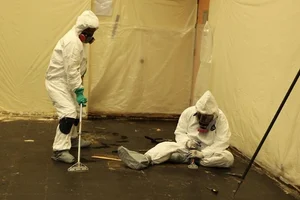
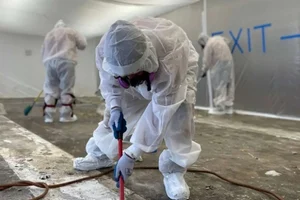
We manage the entire process from assessment and containment to safe removal, disposal, and final clearance.
For asbestos remediation to be conducted successfully, special measures must be taken because there is a danger that the asbestos fibers can be released into the air. At the start of any asbestos abatement project, containment procedures are implemented with the goal of containing the contaminated zone.
However, it needs to be known that no asbestos scenario is exactly the same as another one. It is necessary to identify and assess the material before starting to remove it so that an understanding of what measures should be taken is achieved, as well as what actions will be performed within the scope of the job.
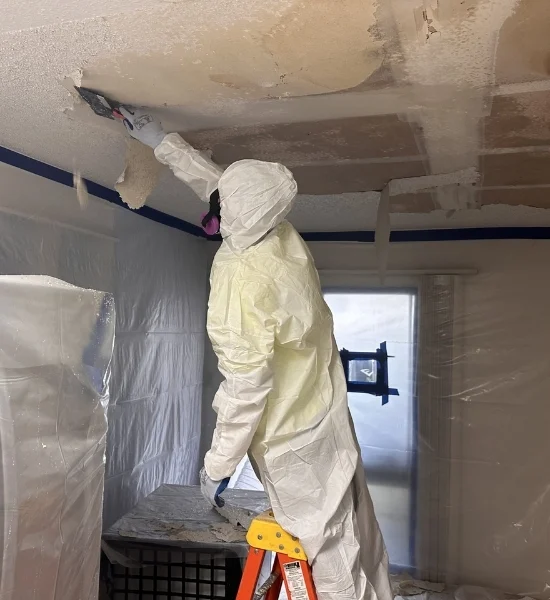
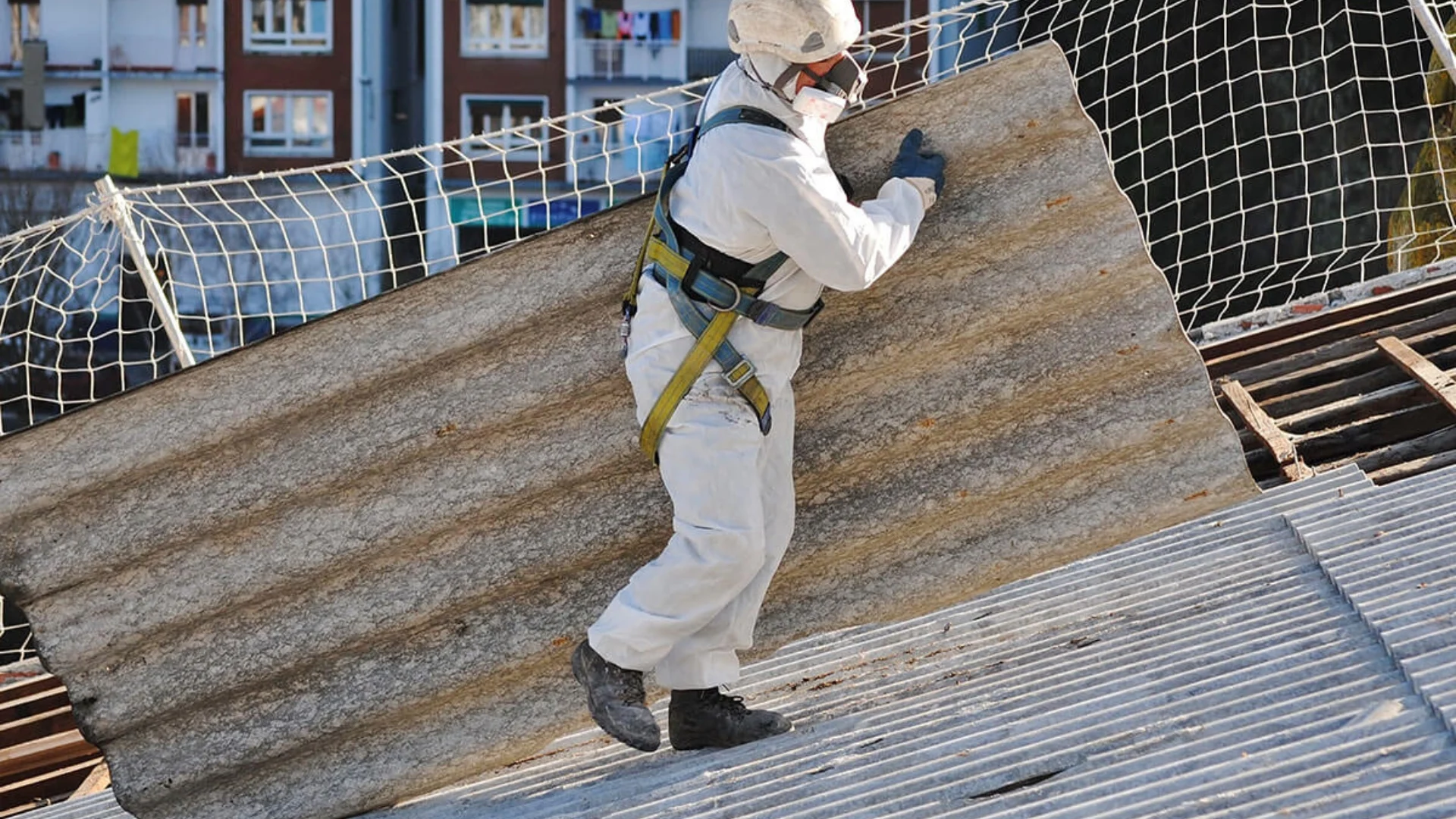
Safety is always the main objective during asbestos removal. All activities undertaken are geared toward minimizing any kind of air pollution as much as possible. Containment, personal protection, waste disposal, and inspection among other actions are all performed under the premise that the health and safety of people are always the main concerns.
Asbestos removal is done through an organized process that is properly planned for. After inspecting the asbestos, containment barriers are set up, negative air systems installed where necessary, and then removal takes place. When the asbestos has been removed from the site, cleaning and inspections will take place in preparation for the renovation or future occupation of the space.
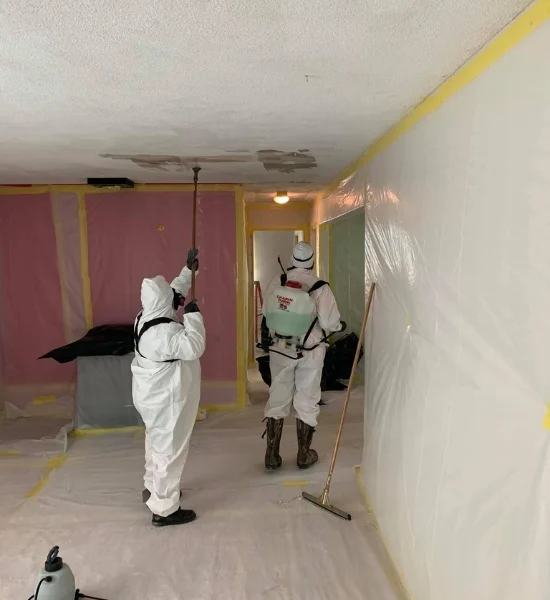
Removing asbestos is only part of the job. Proper cleanup and disposal are equally important to ensure no hazardous materials remain behind. All waste materials are securely packaged, transported, and disposed of according to approved environmental regulations. Final cleaning and clearance procedures help confirm the area is safe for continued use.
Most asbestos findings happen when remodeling or tearing down buildings. Knowing about the presence of asbestos ahead of time is helpful because it can prevent problems from occurring later on. This makes people feel safe knowing that any hazardous substances have been dealt with properly.
Asbestos abatement is the process of identifying, containing, removing, and safely disposing of asbestos-containing materials to eliminate health risks.
Older buildings may contain asbestos in insulation, flooring, ceilings, roofing materials, and other construction products. Professional testing is the most reliable way to confirm its presence.
Yes. When asbestos fibers become airborne and are inhaled, they can pose serious long-term health risks.
Yes, we offer free and transparent construction estimates. Our experts will assess your project requirements and provide a detailed cost breakdown to help you plan your budget with confidence.
Professional removal is strongly recommended because improper handling can release hazardous fibers into the air and increase exposure risks.
Project timelines depend on the size of the affected area, the amount of asbestos present, and the complexity of the removal process.
In some cases, temporary relocation may be recommended depending on the location and scope of the work.
Yes. All asbestos-containing materials are safely packaged, transported, and disposed of according to applicable regulations.
Once the area has been properly cleaned, inspected, and cleared, renovation work can typically proceed safely.
Common materials include insulation, pipe wrap, floor tiles, adhesives, roofing products, textured ceilings, and certain wall materials.
Professional abatement helps protect occupants, workers, and future building users while ensuring compliance with safety and environmental requirements.